Metal Roofing for Wind, Water and Long Life
Standing-seam and metal panel roofs for homes, porches, additions and outbuildings, installed with the details that keep them quiet and watertight.
Why Southern Maryland Homeowners Choose Metal
Metal roofs shed water fast, hold up well to high wind when properly fastened, and don't crack in freeze-thaw cycles the way some materials do. For homes on open lots or along the bay and rivers, and for farmhouses, porches and outbuildings, metal is a practical, long-lasting choice that also suits the look of much of Southern Maryland.
A metal roof is only as good as its installation. Panels expand and contract with temperature swings, so fastening, trim and flashing details matter more than they do with shingles. HomePro Contractors installs metal roofing with proper underlayment, correctly spaced fasteners or clips, closures at the ridge and eaves, and flashing that lets the panels move without opening gaps.
We install and repair metal roofs on homes and small commercial buildings across Calvert, Charles, St. Mary's and Prince George's counties, including full roofs and metal accents over porches and bay windows.
Is a Metal Roof a Good Fit for Your Home?
Metal isn't the right choice for every house or budget. These are the situations where it usually makes the most sense.
- Exposed to windOpen fields, hilltops and bay-front lots where shingles keep blowing off.
- Planning to stayMetal costs more up front than shingles; the payoff comes over many years.
- Low-pitch sectionsPorches and additions where water moves slowly can suit standing-seam panels.
- Snow and debris sheddingSmooth panels let snow, leaves and pine needles slide off more easily.
- Farmhouse or coastal styleMetal fits the look of many older Southern Maryland homes and outbuildings.
- Tired of re-roofingIf your shingle roof has been patched again and again, metal is worth pricing.
Metal Roof Types and What They're Best For
Standing seam: panels joined by raised seams with concealed clips or fasteners, so there are no exposed screws through the roof surface. Panels can move with temperature changes. It's the premium choice for homes and low-slope porch roofs.
Exposed-fastener panels: screwed through the face of the panel with sealing washers. Lower cost and common on barns, sheds and garages, but the washers age and need periodic checking.
Salt air and finishes: near the Chesapeake and tidal rivers, salt spray is harder on metal. Panel material and paint finish matter here, and some products aren't recommended close to salt water, so we check the manufacturer's guidance for your location.
Metal accents: small standing-seam roofs over porches, bay windows and dormers add durability and contrast on a shingle home.
How We Install a Metal Roof
- Inspect the roof structure and talk through panel and color options
- Tear off old roofing and repair or replace decking
- Install high-temperature underlayment, drip edge and eave trim
- Set panels with proper clips or fasteners, closures and flashing
- Ridge cap, final fastener check, cleanup and walk-through
Details That Keep a Metal Roof Quiet and Dry
Under the panels we install an underlayment rated for the heat that builds under metal, plus closures at the eaves and ridge to keep out wind-driven rain, insects and birds. Over solid decking with underlayment, a metal roof is generally no louder in the rain than any other roof from inside the house.
Penetrations are where metal roofs leak if they're rushed. Pipe vents get boots made for metal, chimneys and walls get proper flashing, and fasteners are placed so the panels can expand and contract without loosening. We'll explain the color and finish options and how they hold up in our sun and, near the water, salt air.
Maintaining a Metal Roof
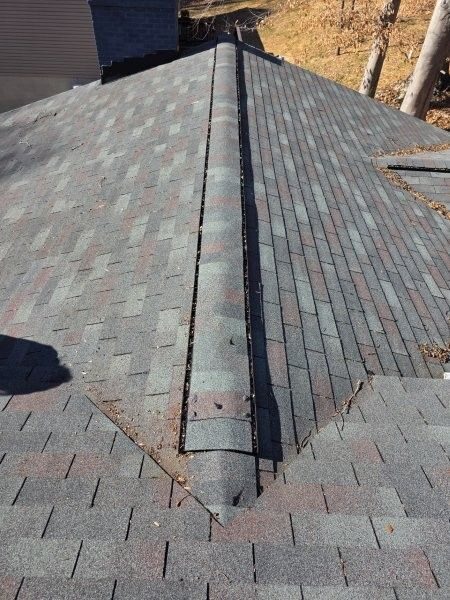
Metal roofs need less upkeep than most, but not zero. Every so often, and after big storms, it's worth checking exposed fasteners, sealant at trim and penetrations, and clearing debris from valleys and gutters. On waterfront homes, rinsing salt off the panels and checking for scratches in the finish helps them last. We offer inspections and repairs on metal roofs we didn't install, too.
Get a Free Metal Roofing Estimate
Tell us about your home or building. We'll look at the roof, talk through panel options and give you a written estimate.
- Free on-site consultation
- Standing-seam and panel options
- Proper underlayment and flashing
- Repairs on existing metal roofs
Metal Roofing Across Southern Maryland
Tap your town for local details.
Metal Roofing Questions
Is a metal roof loud when it rains?
Installed over solid decking with underlayment, most homeowners find it no louder than a shingle roof from inside. Metal over open framing, like a barn, is louder because there's nothing to dampen the sound.
Does a metal roof attract lightning?
No. Metal doesn't make a strike more likely. If lightning does hit, metal is non-combustible, which is a point in its favor.
Will a metal roof hold up near the water?
It can, with the right material and finish. Salt air is harder on metal, so near the bay and tidal rivers we check the manufacturer's guidance for salt exposure and choose panels and trim accordingly.
Can you put metal over my existing shingles?
Sometimes, but we usually recommend tearing off first so we can check the decking and install proper underlayment. We check what the county requires and what the manufacturer allows for your roof.
Standing seam or exposed fastener: which should I choose?
For a home, standing seam is usually the better choice because there are no exposed screws to maintain. Exposed-fastener panels are a sensible, lower-cost option for sheds, barns and garages.
Thinking About a Metal Roof?
Free metal roofing estimates across Calvert, Charles, St. Mary's and Prince George's counties. Call (443) 771-0755.