
Flat and Low-Slope Roofing for Businesses and Homes
Repairs, replacements and coatings for commercial buildings, porches, additions and rowhome-style roofs, with a clear plan for drainage.
Flat Roofs Fail Differently, So They Need a Different Approach
A flat roof isn't truly flat. It's built with a slight slope so water can reach drains, scuppers and gutters. When that slope is lost, or drains clog, water ponds on the surface and finds every weak seam. That's why most low-slope roof problems come down to drainage, seams and flashing, not the field of the roof.
HomePro Contractors works on low-slope roofs on offices, retail buildings, churches, warehouses and other small commercial properties, plus flat sections on homes such as porches, additions and garages. We start by checking how water moves across the roof, the condition of seams and flashings, and whether the insulation underneath is wet, then recommend repair, coating or replacement based on what we find.
We serve Calvert, Charles, St. Mary's and Prince George's counties, and handle commercial and coatings work in Silver Spring.
Signs Your Flat Roof Needs Attention
Low-slope roofs hide problems well. These are the signs worth acting on before a small leak becomes wet insulation and damaged decking.
- Ponding waterPuddles that stay on the roof long after rain stops.
- Blisters and bubblesTrapped moisture or air under the membrane pushes it up.
- Open seams and lapsEdges of the membrane lifting or separating at the seams.
- Cracked or alligatored surfaceOlder built-up and modified roofs dry out and crack in the sun.
- Loose flashing at wallsWhere the roof meets parapets, walls and curbs is a common leak point.
- Interior stainsCeiling tiles or drywall stains, often far from where water gets in.
Common Causes of Flat Roof Leaks
Poor drainage: clogged drains and scuppers, sagging decks or roofs built without enough slope let water sit. Standing water ages membranes faster and finds any opening.
Seam and flashing failure: heat and cold make roof materials expand and contract. Over time, seams, wall flashings and curbs around rooftop units pull loose.
Rooftop traffic and equipment: HVAC service, satellite installs and foot traffic puncture and wear membranes, especially where no walk pads were installed.
Sun and storms: summer UV breaks down exposed roofing, and wind from thunderstorms and nor'easters can lift membrane edges and loosen perimeter metal.
How We Handle Flat and Commercial Roofs
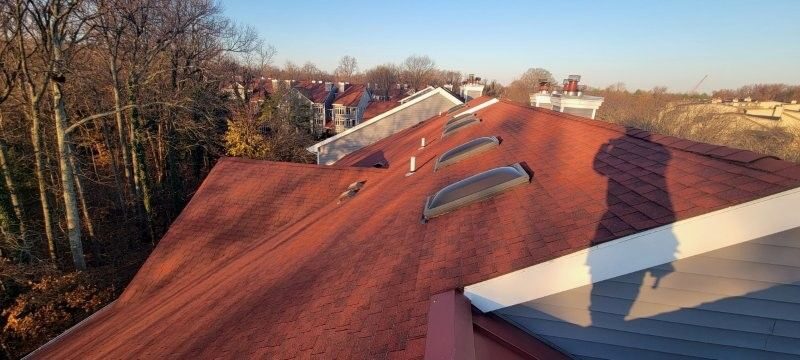
- Roof walk and photos of drainage, seams, flashing and equipment curbs
- Check for wet insulation and damaged decking where needed
- Written recommendation: repair, coating or replacement
- Schedule work around your business hours where possible
- Final inspection, photos and maintenance recommendations
Low-Slope Systems We Work With
Low-slope roofs use different materials than pitched roofs. We work with single-ply membranes such as TPO and EPDM, modified bitumen, and roof coatings applied over sound existing roofs. Each has its place depending on the building, the existing roof, rooftop equipment and how much foot traffic the roof sees.
A coating can extend the life of a roof that is still dry and structurally sound, but it won't fix wet insulation or a failed deck. When replacement is the right call, we tear off to a sound substrate, correct drainage where we can, and detail every drain, curb and wall so the new roof starts out watertight.
Keep a Flat Roof on a Maintenance Schedule
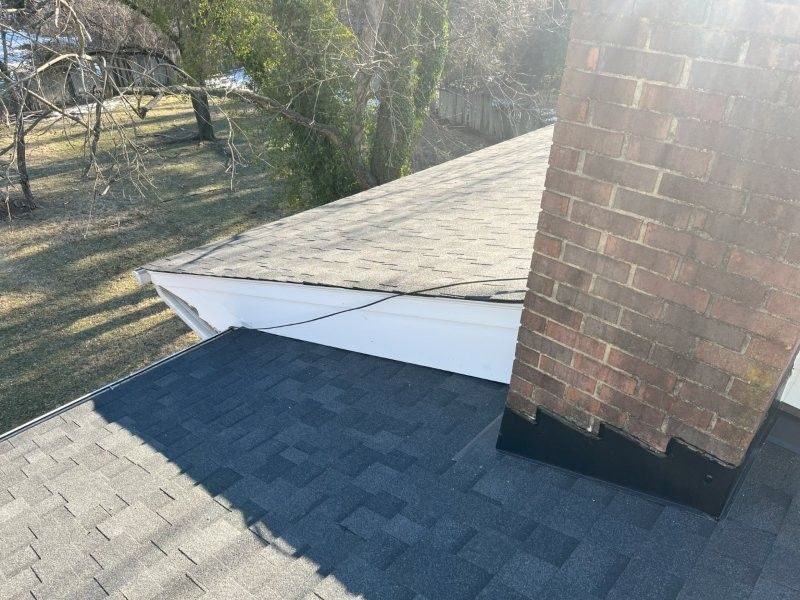
Flat roofs last longest when someone looks at them regularly. A spring and fall check, plus a look after major storms, catches clogged drains, open seams and loose flashing before they leak into the building. For commercial owners and property managers, we can document each visit with photos so you have a record of the roof's condition for planning and budgeting.
Request a Flat or Commercial Roof Assessment
Tell us about the building and what you're seeing. We'll walk the roof, photograph it and recommend the right next step.
- Free roof walk and photo report
- Repair, coating or replacement options
- Work scheduled around your business
- Homes and commercial buildings
Flat & Commercial Roofing Across Southern Maryland
Tap your town for local details.
Flat & Commercial Roofing Questions
Is some water on a flat roof normal?
A little water right after rain is normal. Water that's still sitting a couple of days later is ponding, which shortens the life of the roof and should be looked at. Usually it's a drainage or deck issue.
Should I coat my flat roof or replace it?
A coating can make sense if the existing roof is dry and in fair shape. If the insulation is wet or the membrane has failed widely, coating over it just traps the problem. We check before recommending either.
Which is better, TPO, EPDM or modified bitumen?
Each works well in the right situation. It depends on the building, the existing roof, rooftop equipment and foot traffic. We'll explain why we recommend one over another for your roof.
Can you work while my business is open?
In most cases, yes. We plan the work around access, deliveries and noise-sensitive hours where we can, and keep the site safe and clean each day.
Do you work on flat roofs on homes?
Yes. Porches, additions, garages and low-slope sections on houses are common in our area, and they need the same attention to drainage and flashing as commercial roofs.
Get Your Flat Roof Assessed
Flat and commercial roofing across Southern Maryland and Silver Spring. Call (443) 771-0755.