
Attic Ventilation That Protects Your Roof From the Inside
A hot, damp attic shortens shingle life, feeds mold and rots decking. We balance your intake and exhaust so the attic breathes the way it should, in every season.
Why Attic Ventilation Matters in Southern Maryland
Your roof is only as healthy as the attic underneath it. On a July afternoon in Calvert or Charles County, an attic with poor airflow can get far hotter than the air outside. That heat bakes shingles from below, pushes your air conditioner harder and ages the roof before its time. In winter the problem flips: warm, moist air from the house rises into the attic, meets cold decking and condenses into frost and water.
Good ventilation is a simple idea done carefully. Cool, dry air comes in low at the soffits, moves up along the underside of the roof deck and leaves high at the ridge. When intake and exhaust are balanced, the attic stays closer to outside temperature and humidity all year. When they're not, you get hot spots, wet insulation, rusty nails and dark stains on the sheathing.
HomePro Contractors inspects the whole system, not just the vents you can see from the street. We check soffit intake, baffles, insulation, existing exhaust vents and bathroom fan routing, then recommend the fixes that actually move air. We work on homes throughout Calvert, Charles, St. Mary's and Prince George's counties.
Signs Your Attic Isn't Venting Properly
Ventilation problems are easy to miss because they happen out of sight. These are the clues we look for.
- Frost or drips in winterCondensation on nail tips and the underside of the decking on cold mornings.
- Dark or stained sheathingBlack or gray patches on the attic side of the roof deck point to trapped moisture.
- Upstairs rooms that won't coolA superheated attic radiates down into bedrooms on summer afternoons.
- Curling or blistering shinglesExcess heat from below can age shingles faster than the weather alone.
- Musty smell or damp insulationMatted, wet insulation loses much of its value and can grow mildew.
- Ice along the eavesUneven roof temperatures melt snow up high and refreeze it at the cold edge.
What Causes Poor Attic Ventilation
Blocked soffit intake: insulation blown or pushed into the eaves can bury the soffit vents, so no fresh air gets in. Proper baffles keep a clear channel open between the insulation and the roof deck.
Mixed exhaust types: a ridge vent combined with gable vents or a powered fan can short-circuit airflow. The exhaust vents pull from each other instead of drawing air up from the soffits.
Bath and kitchen fans dumping into the attic: a fan duct that ends in the attic sends warm, wet air straight onto cold decking. In a humid climate like ours, that's one of the fastest ways to grow mold up there.
Not enough vent area: many older homes and additions were built with only a few small vents. As roofs got replaced over the years, ventilation often wasn't updated to match.
How We Fix Attic Ventilation
- Inspect the attic: decking, insulation, baffles and fan ducts
- Check existing intake and exhaust vents from the roof and eaves
- Recommend a balanced intake-and-exhaust plan in writing
- Install ridge vent, soffit vents, baffles and fan ducting as needed
- Final walkthrough with photos of the finished work
Ridge Vents, Soffit Vents and Baffles
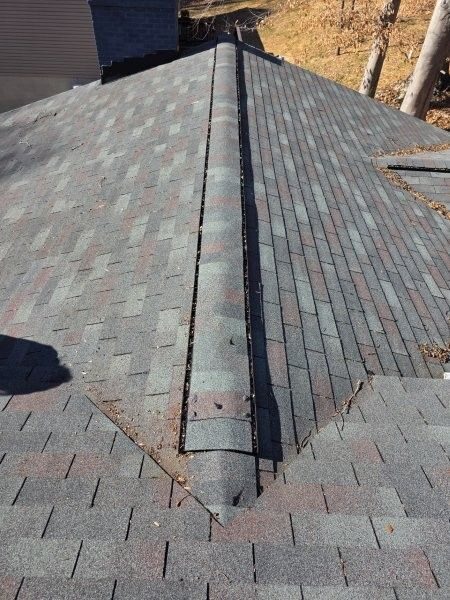
For most pitched roofs we prefer a continuous ridge vent paired with continuous or well-spaced soffit intake. Ridge vent runs along the peak and exhausts evenly across the whole attic, and its baffled design helps keep wind-driven rain out during summer storms and nor'easters. Where a roof has no usable ridge, we use other exhaust vents sized to the attic.
Intake is the half most homes are missing. We open or add soffit venting, install baffles so insulation can't block the airflow, and seal off conflicting vents so the system works as one. We also route bathroom fan ducts through a proper roof or wall cap instead of into the attic.
Replacing Your Roof? Fix Ventilation at the Same Time
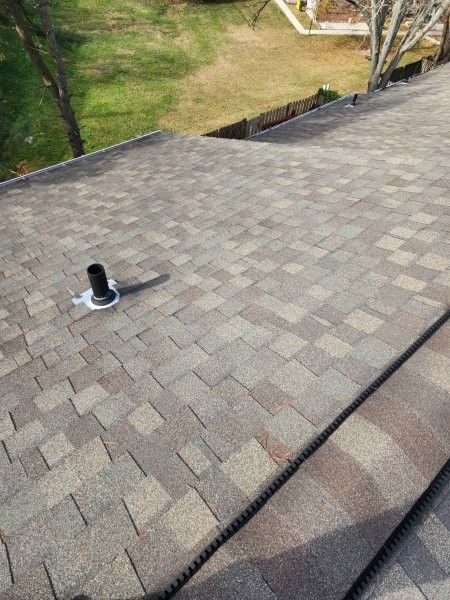
The best time to correct ventilation is during a roof replacement, when the ridge is already open and the decking is exposed. Many shingle manufacturers also list proper attic ventilation as a condition of their product warranty, so it's worth getting right. If a new roof is on your horizon, ask us to include a ventilation check in your estimate.
Get Your Attic Ventilation Checked — Free
Tell us what you're noticing, from hot upstairs rooms to frost in the attic, and we'll schedule a free inspection.
- Free attic and roof inspection
- Photos of what we find
- Balanced intake-and-exhaust plan
- Written price before work starts
Attic Ventilation Across Southern Maryland
Tap your town for local details.
Attic Ventilation Questions
How do I know if my attic has enough ventilation?
Look for frost or moisture on the decking in winter, very hot upstairs rooms in summer, and soffits that are painted over or blocked. The surest way is an attic inspection, where we check intake, exhaust and insulation together.
Is a ridge vent better than an attic fan?
For most homes, a ridge vent with good soffit intake moves air steadily without using electricity. Powered fans can pull conditioned air out of the house through ceiling gaps, and they can fight with a ridge vent if both are installed.
Can I have too much ventilation?
Too much exhaust without enough intake is the more common problem. The goal is balance. When the exhaust side outweighs the intake, the attic can pull air from the house or from other vents instead of the soffits.
Will better ventilation lower my energy bills?
It can help keep upstairs rooms more comfortable in summer and reduce how hard your AC works, but the main benefit is protecting the roof, decking and insulation. Air sealing and insulation matter just as much for energy savings.
Can you add ventilation without replacing my roof?
Often, yes. We can cut in a ridge vent, add soffit vents and baffles, and reroute fan ducts on an existing roof. If the roof is near the end of its life, it may make sense to do both together.
Let Your Attic Breathe
Serving Prince Frederick and all of Southern Maryland. Call (443) 771-0755 for a free attic ventilation inspection.